
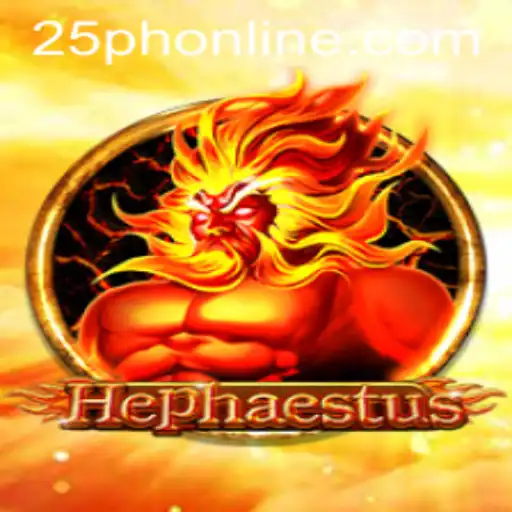

Hephaestus is an intriguing and strategic board game that draws inspiration from mythology while incorporating modern elements such as the keyword 25PH. This article delves into the game's description, introduction, and rules, providing insights into its captivating world.
Hephaestus: A Mythologically-Inspired Board Game
In a world where ancient tales and modern innovations intertwine, the board game Hephaestus emerges as a rich tapestry of mythological narrative and strategic gameplay. Named after the Greek god of fire and craftsmanship, the game invites players to enter a realm where creativity, cunning, and collaboration are key. With the intriguing keyword 25PH as an integral part of its mechanics, Hephaestus elevates traditional board gaming into a contemporary context.
Introduction to Hephaestus
Hephaestus was conceived at the intersection of myth and modernity, developed by an inspired team of game designers who sought to capture the essence of ancient legends while addressing the growing demand for innovation in gaming. As the digital world continues to expand, the resurgence of interest in tactile, multi-player board games has been palpable. Hephaestus meets this demand with its unique blend of mythological role-playing and dynamic game mechanics.
At the heart of Hephaestus is its connection to the stories of the Greek pantheon. Players are transported to the divine realms, where they assume the roles of deities and artisans attempting to outmaneuver one another in a quest for supremacy. The game is designed for 2-6 players and is suitable for ages 12 and up, making it accessible to families and gaming communities alike.
The Unique Role of 25PH
The introduction of the keyword 25PH adds a layer of complexity and depth to Hephaestus. While its exact implications are shrouded in mystery, 25PH serves as a code that players must decipher and harness throughout the game. This element requires strategic thought, as players must balance the power of 25PH with their other abilities and resources.
The keyword acts as a wildcard, reminiscent of digital game mechanics but brought to life in a physical board game format. It engages players in cryptic challenges, prompting them to solve puzzles, unlock special abilities, and uncover hidden advantages. This incorporation of enigmatic elements enhances the replayability of Hephaestus, ensuring that each game presents a fresh and engaging experience.
The Intricacies of Gameplay
The essence of Hephaestus lies in its multifaceted gameplay, where players must navigate political alliances, resource management, and tactical battles. Set in a beautifully illustrated game board depicting ancient Greece, the players deploy their artisan tokens to gather resources, craft legendary artifacts, and gain favor from other gods.
At the start of the game, each player chooses a deity card that grants them unique abilities and a strategic framework. These cards are inspired by various figures in Greek mythology, each with their strengths and vulnerabilities. Players must use their deity’s abilities wisely to garner influence and control over crucial game areas.
Resource management is a critical component, as players collect elements like bronze, stone, and sacred relics. These resources are used to construct temples, forge divine weapons, and sway fellow players to their cause. In addition, players can engage in strategic pacts and alliances, allowing for dynamic and shifting game environments.
Defining the Rules of Engagement
Hephaestus is designed to be both accessible and strategic, ensuring that newcomers and veteran gamers can find enjoyment. The rulebook, elegantly illustrated, guides players through the initial setup, game phases, and special conditions granted by 25PH. An intuitive setup allows for quick deployment, while in-depth rules cater to strategic aficionados who relish intricate gameplay.
A turn in Hephaestus consists of four primary phases: Resource Collection, Construction and Crafting, Pantheon Interactions, and Domain Expansion. Players must decide their actions, weighing whether to fortify their defenses, expand their influence, or craft influential artifacts. Timing and adaptability are crucial, as the resolution of actions can have ripple effects across players’ domains.
Current Events and Modern Themes
In today's world, where themes of technology integration and environmental consciousness prevail, Hephaestus captures the zeitgeist with its subliminal messages. The role of 25PH reflects contemporary discussions on technology’s ever-evolving role, symbolizing both opportunity and enigma in a rapidly changing society. The game encourages players to consider the balance between progress and tradition, mirroring debates over sustainability and innovation.
As the global conversation shifts towards cooperation and shared goals, Hephaestus embodies these themes in a competitive yet collaborative framework. The game emphasizes that while individual achievement is essential, communal progress often leads to greater success, mirroring real-world dynamics in teamwork and problem-solving.
Conclusion
In a landscape where board games are increasingly seen as bridges between cultures, generations, and ideas, Hephaestus stands as a testament to the enduring allure of storytelling and strategy. With its evocative setting, innovative mechanics, and the enigmatic keyword 25PH, Hephaestus invites players to discover the powerful synergy of myth and modernity. As they navigate the divine realms and earthly ambitions, players are reminded of the timeless nature of mythological narratives and their relevance in today's ever-evolving world.